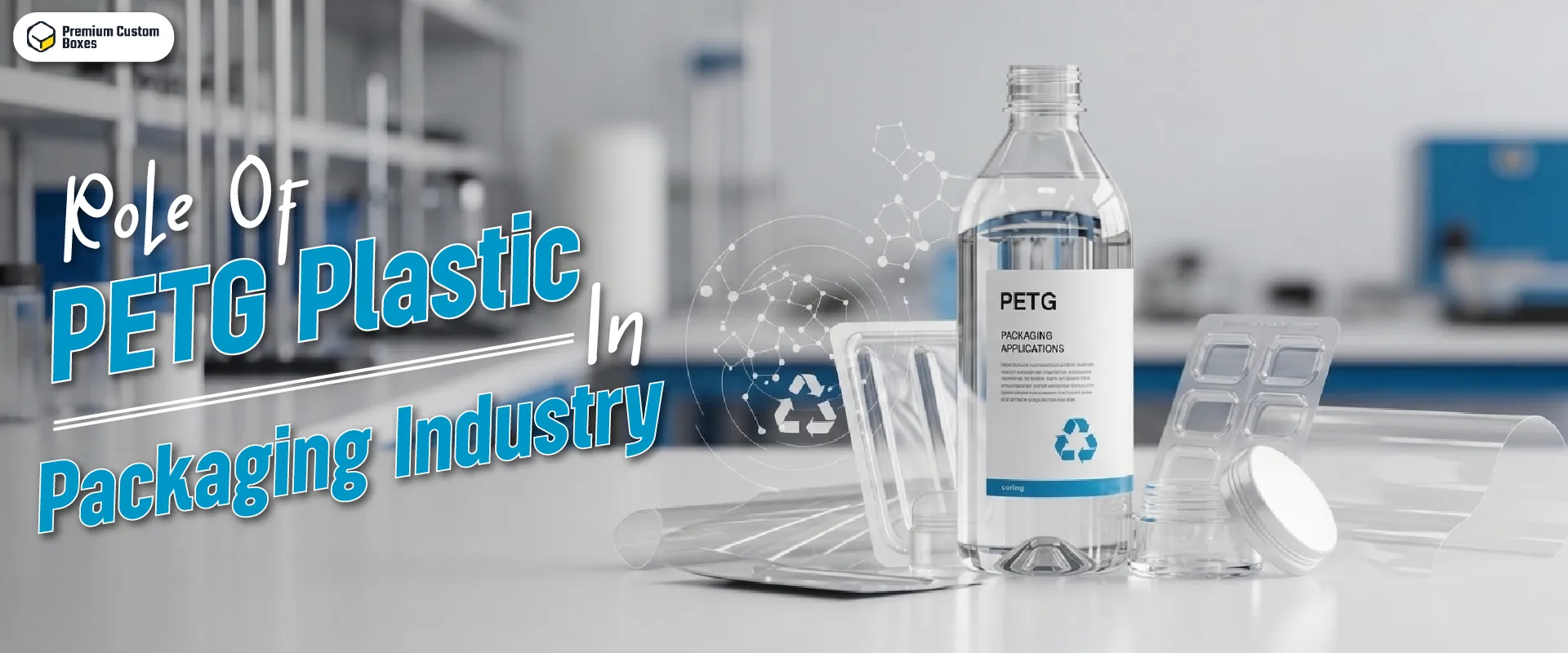
What Does PETG Stand for?
PETG is more durable and has greater strength compared to traditional PET. The chances of the formation of crystallization are reduced due to the involvement of glycol that acts as a modifier. Here are a few more things it mentions below.
- Enhance Transparency: Under heat material does not turn hazy and remains amorphous as glycol helps in maintaining its optical clarity.
- Increase Toughness and Flexibility: Due to the modification of glycol, cyclohexanedimethanol acts as the spacer, which uplifts the durability. Less order structure makes PETG flexible and less brittle.
- Overcome Brittleness: The standard PET crystal form is due to temperature fluctuation, which makes it breakable. While in PETG, crystallization does not occur, and brittleness is also controlled.
What Is the Main Cause of PETG’s Popularity?
Behind every material demand, there are certain things that give them a competitive edge over others. The durability of ABS and the utilization of PLA are the main reasons why PETG is used in 3D printing. There are also a few points needs your attention.
- Compared to the PLA, PETG is more durable and doesn’t deform due to sudden shocks, which make them less brittle and ideal for daily life usage.
- Unlike PLA, when a certain amount of force is applied to the PTEG, instead of breaking, it starts bending slightly.
- At extreme temperatures they retain their structural integrity and even hold out against chemicals and water resistance.
- With the comparison with PLA, the interlayer bonding in PETH is far stronger. This happens because of the higher bonding ability of the molten layer of plastic while creating 3D prints.
- In most of the printing techniques, certain types of odours are produced but this is not the case with PETG. During printing, it never emits any kind of smell that pollutes the environment.
Comparison of PETG with Other Plastics
PETG is a glyco-modified version of PLA that is flexible and durable and never changes its physical structure in a sudden rise and fall in temperature. However, there are some characteristics that give them a standout position from the other plastic alternatives available in the market.
In the table below, you will find a detailed comparison of PETG with other plastics. Before moving ahead, if you are someone who does know the right way to select the packaging materials then this blog is for you:
| Attributes | Pring
Complexity |
Durability | Flexibility | Heat
Resistance |
Outdoor Usage | Adhesion | Liquidity |
| PETG | Medium | Good | Average | 70-80°C | Normal | Impressive | Execellent |
| PLA | Simple | Moderate | Low | 55-60°C | Bad | Good | Limited |
| ABS | Hard | Good | Average | 95-100°C | Bad | Normal | Poor |
| ASA | Medium | Good | Average | 95-100°C | Impressive | Normal | Poor |
| PA | Hard | Execellent | High | 100°C Plus | Normal | Normal | Poor |
Plastic Types Used In the Packaging Industry
Before finalizing the right choice, it is necessary to have in-depth knowledge of the different variations of plastic used in the packaging industry. This will help you to understand how to predict the material performance, its recyclability, and ensure product safety. Some plastics are experts in providing safety against light, some serve as the perfect barriers against moisture, so let’s discover which one is the right fit for you.
| Types | Characteristics | Utilization in Packaging |
|
PLA |
With the recyclable nature mostly used in 3D printing, it has a low melting point of around 140-210°C | Custom mylar bags, Water bottles, and eco-friendly packaging |
| Polystyrene (PS) | Brittle, hard, stiff, but has low resistance against pressure. Transmit 90% light and has no colour | Packing peanuts, EPS, Cups, and bakery trays |
| Polypropylene (PP) | Known for its thermal stability, chemical and fatigue resistance, these attributes make it perfect for packaging | Deli containers, Yogurt cups, Catering trays, Plastic bottles |
| LDPE | With excellent moisture control, low-density translucent thermoplastic has high flexibility | Wraps, Liners, Containers, Bottles, Films, Tubes |
| PVC | Provide chemical resistance and expertise in electrical insulation at an affordable price. | Used in Tablets, Capsules, or Packaging window sheets |
| HDPE | A budget-friendly choice comes with the moisture and chemical resistance qualities | Milk Jugs, Soap dispensers, Butter container, Plastic bag |
|
PET |
Strong transparent polyester serves as the expert moisture barrier recognized due to its high tensile ability. | Shampoo, Toys, Food trays |
Packaging Types Made with PETG
PETG is the clear plastic that shines brightly after formation. This quality makes them ideal to use in retail windows and display units. With their usage, you can appealingly showcase your products. They serve as the ideal choice for commercial applications which have to face high-pressure scenarios during transit.
Due to their flexible nature, PETG have become the favourite choice for designers as they can mold them in any shape. Explore the types of packaging in which PETG is extensively playing their part.
Blister Packaging
It’s a type that forms a vacuum around the product, commonly used for retail purposes. They are mainly utilized for the making of packaging for medical devices, electronics, and tools.
Clamshell Containers
Highly recommended for the making of thermoformed packaging in both clear and rigid formats. They are mostly used for crafting the food boxes for the bakery and other edible items.
Jars and Bottles
They are made to provide the see through experience to the user to win their confidence and to stand out on shelves. Lab samples, personal care products, and cosmetic items come in gift boxes made with PETG.
Shrink Sleeves
To provide the temper evidence, shrink sleeves are made with PETG due to their shrinkage rates and used in cosmetics bottles, beverages, and containers as the labelling.
Retail Displays
Most of the display shelves are made with PETG because they provide the remarkable durability and transparency needed for retail purposes. Eye-catching displays and retail boxes play a vital role in boosting sales.
PET vs PETG
Understanding of the right materials is essential for maximizing the recycling ability and ensuring product safety by distancing them from toxic chemicals. By physical appearance, they look similar, but PET is used for the manufacturing of bottles and other food packaging. PETG is preferred for making the packaging for the product with a complex structure. The following table will help you to find the major difference between them.
| Characteristics | Durability | Clarity | Reusability | Utilization | Cost |
| PET | Rigid | Normal | High | Medicines packaging, Bottles, Trays | Cheap |
| PETG | Tough | Impressive | Low | Blister, Food Boxes, Perfume bottles | Expensive |
Contribution of PETG in Food Packaging
Generally, plastic is considered a harmful material for making packaging due to their irreversible damage to nature. However, there is an alternative that comes with the major quality of traditional plastic but is a healthier choice for the environment. PETG is the best packaging material when it comes to food.
They are BPA-free, found in other plastics that are hazardous for health as it leads to contaminating the packed food. More importantly, food packaging regulatory authority FDA mark them as a safe alternative due to their non-toxic and odourless functionalities.